Different types of Home Care
Non-Medical Home Care (Personal & Companion Care)
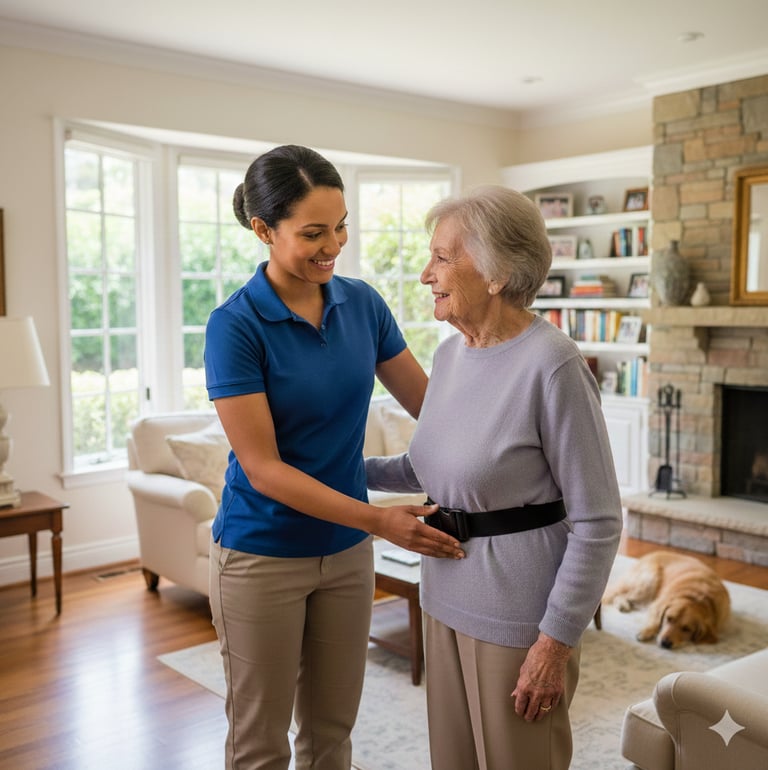
This is the most common type of care and is often referred to as "custodial care". It focuses on helping a senior maintain their independence and safety at home without medical intervention.
Companion Care:
Focus: Emotional support and socialization.
Tasks: Meal preparation, light housekeeping, running errands, transportation to appointments, and engaging in hobbies.
Ideal for: Seniors who are relatively independent but at risk of social isolation or who need help with daily chores.
Personal Care:
Focus: Hands-on physical assistance.
Tasks: Everything in companion care plus "Activities of Daily Living" (ADLs) such as bathing, dressing, grooming, toileting, and mobility assistance
Ideal for: Seniors with physical limitations or those in the middle stages of conditions like Parkinson's or Alzheimer's.
Skilled Home Health Care
Unlike non-medical care, this is medical care that must be ordered by a physician. It is often short-term and focused on recovery.
Focus: Clinical treatment and rehabilitation.
Providers: Registered Nurses (RNs), Licensed Vocational Nurses (LVNs), Physical Therapists (PTs), and Occupational Therapists (OTs).
Tasks: Wound care, IV therapy, injections, physical/speech therapy, and monitoring vital signs.
Ideal for: Patients recovering from surgery (e.g., at Sequoia Hospital) or those managing a new, complex medical diagnosis like heart failure.
Specialized Specialty Care
These programs are designed for specific medical conditions that require specialized training beyond standard personal care.
Memory Care (Alzheimer’s & Dementia):
Approach: Focuses on safety (preventing wandering), cognitive stimulation, and managing "sundowning" or behavioral changes using redirection techniques.
Movement Disorder Care (Parkinson’s & ALS):
Approach: Focuses on fall prevention, safe transfers, and specialized meal preparation for those with swallowing difficulties (dysphagia).
Post-Operative/Stroke Recovery:
Approach: Intensive support during the "Golden Month" after a stroke or surgery to ensure the patient follows their PT/OT exercises and prevents hospital readmission
End-of-Life and Relief Care
These services focus on comfort and supporting the family unit during high-stress periods.
Palliative Care:
Goal: Relief from symptoms and stress of a serious illness. It can be provided at any stage of a disease alongside curative treatment.
Hospice Care:
Goal: Comfort care (not curative) for those with a life expectancy of 6 months or less. It involves a multidisciplinary team (nurses, chaplains, social workers).
Respite Care:
Goal: Temporary relief for the primary family caregiver. This can range from a few hours a week to a full weekend, allowing the family to recharge.