Understanding different types of Home Care
Discover the various types of home care options available for your loved ones, including respite care to prevent caregiver burnout. Learn about medical and non-medical care, as well as specialized support for conditions like Alzheimer's, dementia, Parkinson's, and ALS.
HOME CARERESPITE CAREMEMORY CARECAREGIVERPOST-OPERATIVE CARETRANSITION CARE
6/5/20262 min read

Non-Medical Home Care (Personal & Companion Care)
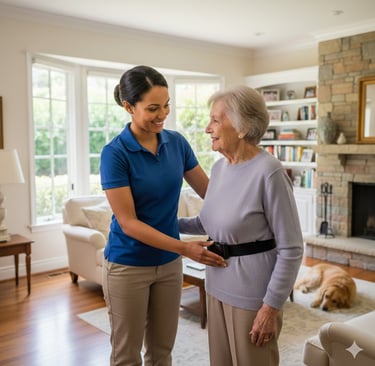
This is the most common type of care and is often referred to as "custodial care". It focuses on helping a senior maintain their independence and safety at home without medical intervention.
Companion Care:
Focus: Emotional support and socialization.
Tasks: Meal preparation, light housekeeping, running errands, transportation to appointments, and engaging in hobbies.
Ideal for: Seniors who are relatively independent but at risk of social isolation or who need help with daily chores.
Personal Care:
Focus: Hands-on physical assistance.
Tasks: Everything in companion care plus "Activities of Daily Living" (ADLs) such as bathing, dressing, grooming, toileting, and mobility assistance
Ideal for: Seniors with physical limitations or those in the middle stages of conditions like Parkinson's or Alzheimer's.
Skilled Home Health Care
Unlike non-medical care, this is medical care that must be ordered by a physician. It is often short-term and focused on recovery.
Focus: Clinical treatment and rehabilitation.
Providers: Registered Nurses (RNs), Licensed Vocational Nurses (LVNs), Physical Therapists (PTs), and Occupational Therapists (OTs).
Tasks: Wound care, IV therapy, injections, physical/speech therapy, and monitoring vital signs.
Ideal for: Patients recovering from surgery (e.g., at Sequoia Hospital) or those managing a new, complex medical diagnosis like heart failure.
Specialized Specialty Care
These programs are designed for specific medical conditions that require specialized training beyond standard personal care.
Memory Care (Alzheimer’s & Dementia):
Approach: Focuses on safety (preventing wandering), cognitive stimulation, and managing "sundowning" or behavioral changes using redirection techniques.
Movement Disorder Care (Parkinson’s & ALS):
Approach: Focuses on fall prevention, safe transfers, and specialized meal preparation for those with swallowing difficulties (dysphagia).
Post-Operative/Stroke Recovery:
Approach: Intensive support during the "Golden Month" after a stroke or surgery to ensure the patient follows their PT/OT exercises and prevents hospital readmission
End-of-Life and Relief Care
These services focus on comfort and supporting the family unit during high-stress periods.
Palliative Care:
Goal: Relief from symptoms and stress of a serious illness. It can be provided at any stage of a disease alongside curative treatment.
Hospice Care:
Goal: Comfort care (not curative) for those with a life expectancy of 6 months or less. It involves a multidisciplinary team (nurses, chaplains, social workers).
Respite Care:
Goal: Temporary relief for the primary family caregiver. This can range from a few hours a week to a full weekend, allowing the family to recharge.